 www.climatenewsnetwork.net
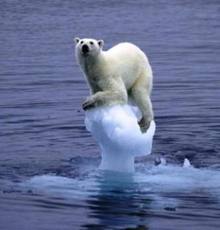
 An ancient virus has sprung back to life after lying dormant for at least 30,000 years, French scientists say. The virus was found frozen in a deep layer of the Siberian permafrost, but after it thawed it became infectious once again. The ancient pathogen, discovered buried 30m (100ft) under the frozen ground, was big enough to be seen under a microscope. And this one, measuring 1.5 micrometers in length, is the biggest ever found.
The contagion poses no danger to humans or animals, but other viruses could be unleashed as the ground becomes exposed. This time last year, the Arctic lakes were found to have lost thickness.
Tests show the virus attacks amoebas—single-celled organisms, but does not infect humans or other animals. However, the researchers believe that other more deadly pathogens could be locked in Siberia's permafrost. The study, published in the Proceedings of the National Academy of Sciences, reveals this region to be under threat. Since the 1970s, the permafrost has retreated and reduced in thickness. Projections suggest further melting.
However, if a virus survives the freezing-thawing process, they would need to quickly find a host to infect. I don't think I'll be joining an Arctic expedition to trek over the thawing wastes. The possibility of an unknown contaminate attaching itself to me doesn't appeal.
The contagion poses no danger to humans or animals, but other viruses could be unleashed as the ground becomes exposed. This time last year, the Arctic lakes were found to have lost thickness.
Tests show the virus attacks amoebas—single-celled organisms, but does not infect humans or other animals. However, the researchers believe that other more deadly pathogens could be locked in Siberia's permafrost. The study, published in the Proceedings of the National Academy of Sciences, reveals this region to be under threat. Since the 1970s, the permafrost has retreated and reduced in thickness. Projections suggest further melting.
However, if a virus survives the freezing-thawing process, they would need to quickly find a host to infect. I don't think I'll be joining an Arctic expedition to trek over the thawing wastes. The possibility of an unknown contaminate attaching itself to me doesn't appeal.
 www.bbc.co.uk
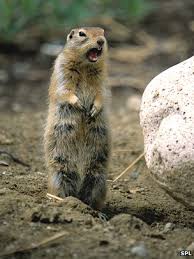
 Back in Feb. 2012, fruit was discovered in the banks of the Kolyma River in Siberia, a top site for people looking for mammoth bones. Scientists in Russia grew plants from the fruit stored away in permafrost by squirrels over 30,000 years ago. The squirrels hid their food in their deepest underground tunnel, which must have frozen quickly because of a change in climate and sealed the plunder in ice.
The Russian team's theory is that the tissue cells are full of sucrose that would have formed food for the growing plants. Sugars are strong enough preservatives to keep vaccines fresh in the hot climates of Africa without the need for refrigeration. They think the sugar-rich fruit cells were able to survive in a potentially viable state for hundreds of thousands of years.
Hence, the trigger for constructing the Doomsday Vault in the Arctic circle in my post on 26th Feb: Saving seeds for a potential apocalypse. http://t.co/K9Mez0LuNM
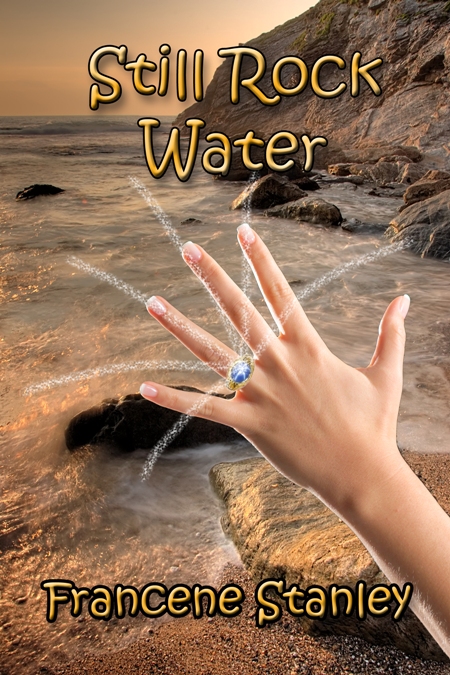
Endure, regenerate—perhaps we could apply that to our own life. Here's a short excerpt from my fantasy novel, Still Rock Water, which shows a personal resurgence.
His passion for life charmed her again. Rather than take the envelope, she studied his expression, mouth softened instead of pinched and eyes unguarded. Her tension eased away. He'd come back. Relief surged through her body, making her feel as if she could drift away. But not too far. Maybe they'd make up. She reached out to him, longing for the reassurance of his strong arms around her. The power of love pulsed in every cell in her body.
When he held her, his enthusiasm swamped her, the way it had in the beginning. He gave her everything of himself, held nothing back. Deep love throbbed from him. This gesture made everything she'd endured worthwhile. She didn't want to let go.
He held her at arm's length. “You silly thing. What's got into you?”
“I'm just glad to see you.”
You can see Still Rock Water's cover on the sidebar, one click away from Amazon.
But enough of fiction. The startling discovery of a 30,000-year-old viable virus gives enough cause to speculate.
The Russian team's theory is that the tissue cells are full of sucrose that would have formed food for the growing plants. Sugars are strong enough preservatives to keep vaccines fresh in the hot climates of Africa without the need for refrigeration. They think the sugar-rich fruit cells were able to survive in a potentially viable state for hundreds of thousands of years.
Hence, the trigger for constructing the Doomsday Vault in the Arctic circle in my post on 26th Feb: Saving seeds for a potential apocalypse. http://t.co/K9Mez0LuNM
Endure, regenerate—perhaps we could apply that to our own life. Here's a short excerpt from my fantasy novel, Still Rock Water, which shows a personal resurgence.
His passion for life charmed her again. Rather than take the envelope, she studied his expression, mouth softened instead of pinched and eyes unguarded. Her tension eased away. He'd come back. Relief surged through her body, making her feel as if she could drift away. But not too far. Maybe they'd make up. She reached out to him, longing for the reassurance of his strong arms around her. The power of love pulsed in every cell in her body.
When he held her, his enthusiasm swamped her, the way it had in the beginning. He gave her everything of himself, held nothing back. Deep love throbbed from him. This gesture made everything she'd endured worthwhile. She didn't want to let go.
He held her at arm's length. “You silly thing. What's got into you?”
“I'm just glad to see you.”
You can see Still Rock Water's cover on the sidebar, one click away from Amazon.
But enough of fiction. The startling discovery of a 30,000-year-old viable virus gives enough cause to speculate.


 RSS Feed

