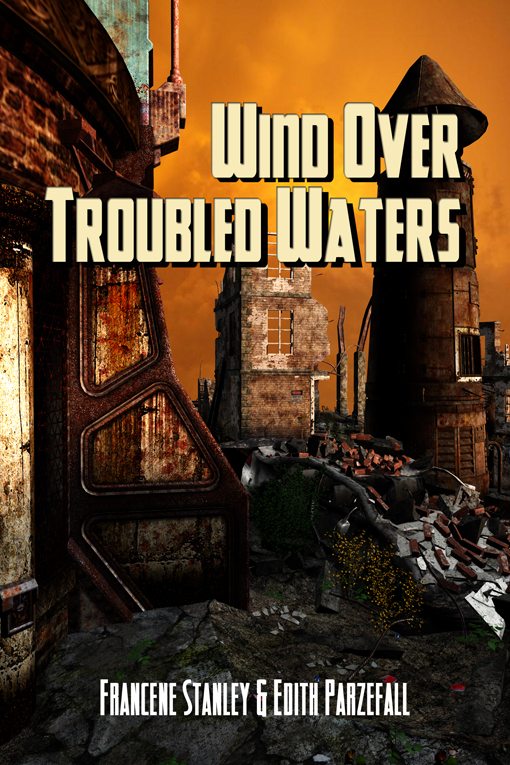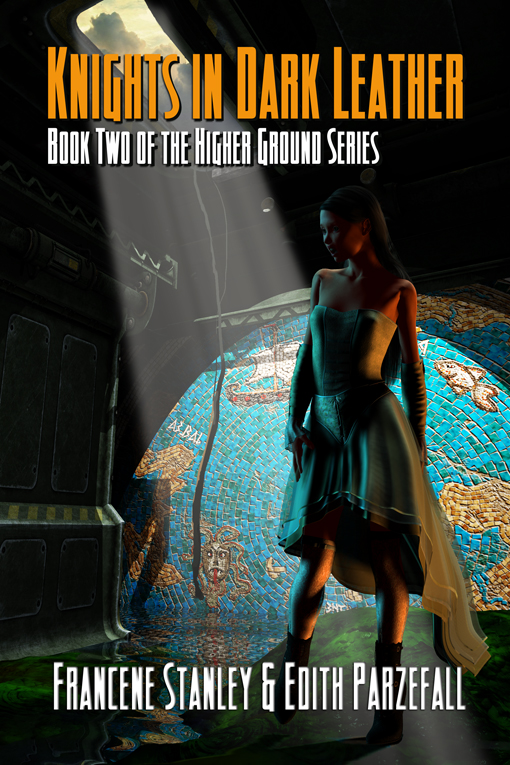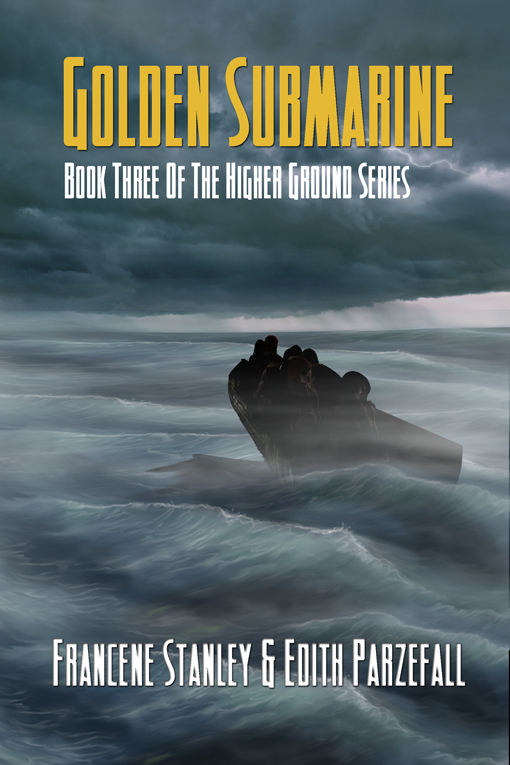
• Blog
  • About
  • Contact
Francene--Blog. Year 2014

The wonder of social sites and electronic devices.

3/31/2014

13 Comments

 
Picture
I read this morning about a UK mother who found her long-lost daughter on Facebook. I love heart-warming stories, so I thought I'd share it with you. Let's look at the details first.

Social workers separated a teenage mother from her daughter, thinking the child would have more chance of success with foster parents. During their 20 years apart, the mother longed for her daughter and decided to try to track her down, despite not knowing her surname.

She typed her daughter's Christian names into a Facebook search. Hundreds of results came up from across the globe. When she saw a face that looked the way she did at a similar age, she contacted the girl and they started chatting. They were both thrilled to be connected again.

There are many drawbacks associated with our modern way of communicating, but this isn't one of them. It's incredible to find someone you never thought you'd see again. The same thing happened to me when I found my grandson.


PictureMy grandson at 24 years of age
A couple of years ago, a name appeared on the right of my Facebook page under people you might know. Because of the unusual name, I decided to try to befriend him. Sure enough, my grandson contacted me and we caught up on old times. I'd left Australia for England about 15 years ago and lost touch with his mother after my son died. I'm sure you can imagine my joy.

When I was a child 60 years ago, such a possibility wouldn't have been possible. But, along with the good, there's a down side to our technology. We should wonder where the materials and power come from to operate social media, or any of our other devices, and what effect it will have on the planet.

When you think about it, e-readers would seem to be more environmentally friendly than your typical paper and cardboard book, even a paperback. However, the energy of manufacturing and then disposing of an e-reader is probably greater than the same for a traditional book.

There are many considerations—the trees needed to make paper versus the manufacturing of electronics products, the shipping costs, fuel, and ultimately, the energy needed to recycle these materials at the end of their useful existence.

PictureThe last time I saw my 6'5" tall son.
The best solution for reading pleasure could be to visit the public library to borrow books which are recycled in the best possible way. Our local Borehamwood library has just moved into a new building right in the heart of the town.

Whatever we do on electronic devices, we'll eventually harm the environment. We have to hope humans will find a way through the mess, because social media is performing a wonderful service—sometimes miraculous, like reconnecting friends and families.

Do you have a story to tell?


13 Comments

Black death skeletons unearthed in London.

3/30/2014

3 Comments

 
While digging to prepare for the Crossrail 73-mile high-speed rail link connecting 37 stations across London, more skeletons have been unearthed. Forensic tests indicate these are Black Death victims from the great pandemic of the 14th Century from graves dated to 1348-50. Their teeth contain DNA from the plague bacterium Yersinia pestis. By sequencing the ancient bacterial DNA, researchers hope to understand how the plague has evolved and spread over the centuries.

PictureObelisk - Robe, South Australia
I'm fascinated to learn about the past, so I eagerly snatched this story reported on BBC News. My forebears lived in England, although I was born in Australia and spent the years when my children were growing up in Robe, South Australia. Therefore, England's history relates to me. I could transport myself back in time and find out about their daily lives by studying the past.

Records say thousands of Londoners perished during this short period. Their corpses show malnutrition and back injuries, which show times were hard and they would have been susceptible to illness. The bodies, many originating from the north, were dumped in a mass grave outside the City, but its exact location was unknown.


Picture
Most of my forbears lived in Cornwall, that tiny boot on the tip of the western coast. Although these hard times might not apply to them, some part of the family might have been affected. I can't imagine anything worse than lying prone, covered with sores, and knowing that anyone who helped me would succumb to the disease too. I'd send them away and try to maintain inner peace. However, I'm not sure I'd have the same mindset during the times when swift death affected the weak.

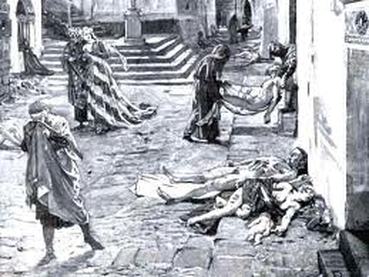
Between 1347 and 1351 the Great Pestilence swept westward across Europe killing millions of people. It later became known as the Black Death. When it arrived on Britain's shores, it wiped out up to 60% of the population. I wrote about rats on Friday, and how the fleas they carried spread the disease.


Picture
history-world.org
The World Health Organization tells us the plague is one of the oldest identifiable diseases known to man. Plague is spread from one rodent to another by fleas, and to humans either by the bite of infected fleas or when handling infected hosts.

This is worrying. Recent outbreaks have shown that plague may reappear in areas that have long been free of the disease. Globally the infection kills 2,000 people a year, in countries like Madagascar. Antibiotics are available, but if untreated the disease kills within four days.

So far, excavations from the £14.8bn Crossrail train link, due to open in 2018, have unearthed Roman skulls washed down a lost river, a Bronze-Age transport route, and the largest piece of amber ever found in the UK.

All I can say is I'm glad to live right now in a caring society with access to medicines and not back then.

3 Comments

Science finds that spirituality improves health.

3/29/2014

8 Comments

 
Despite differences in rituals and beliefs among the world's religions, spirituality often enhances health and prevents depression, according to various researchers.

A new report from the Oregon State University links spirituality with good health.

Picture
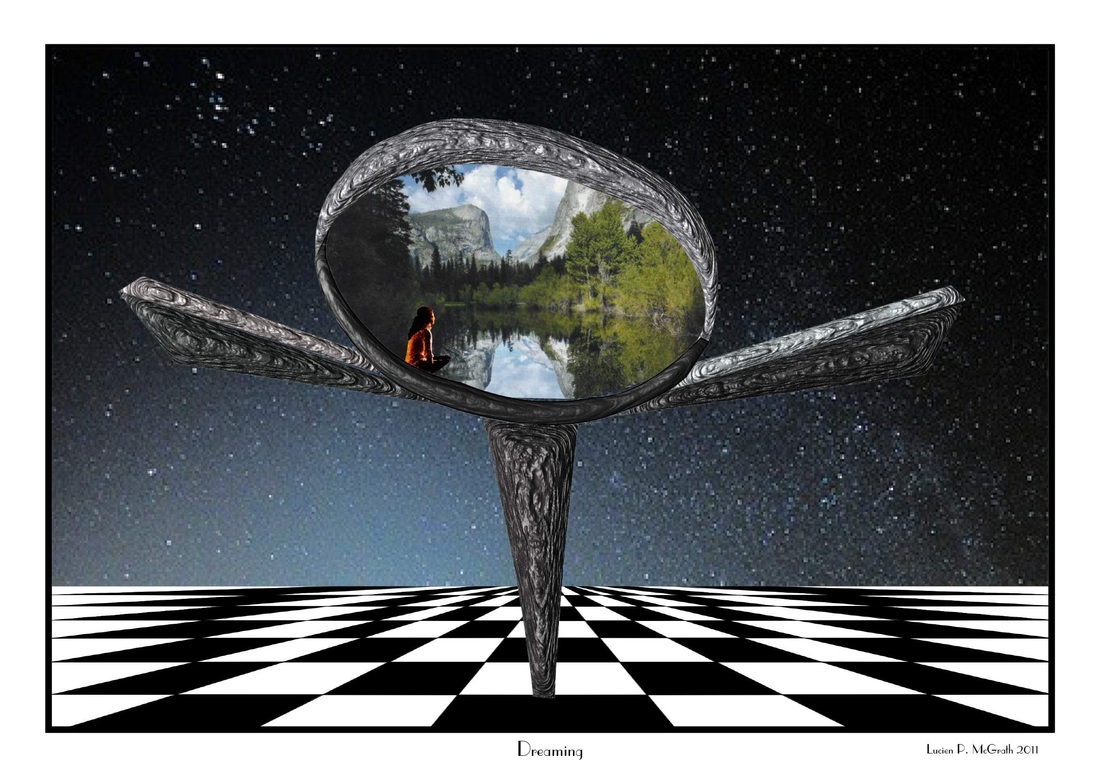
Picture kindly shared by artist Peter McGrath
Religion and spirituality have distinct but complementary influences on health, new research indicates. A new theoretical model defines the two distinct pathways. "Religion helps regulate behavior and health habits, while spirituality regulates your emotions, how you feel," explains a gerontology professor in the College of Public Health and Human Sciences at OSU.

Religiousness, such as following and practicing formal religions, is associated with better health habits, such as lower smoking rates and reduced alcohol consumption. As a child, I felt a comfort in listening to a religious teacher and wanted to conform to the ways of the church and fit in with my friends. As an adult, I don't smoke, drink alcohol, or eat rubbish food. I follow a routine with what I take into my body—it's a temple.

Spirituality, including meditation and private prayer, helps regulate emotions, which aids physiological effects such as blood pressure. This is a practice used in private, regardless of a person's faith. I meditate every morning—have done so for thirty years. On a chilly morning, I notice my body heats up. My breathing deepens and I feel at peace when I start my day. It's good to know my blood pressure is regulated, along with many other parts I'm sure.

Picture
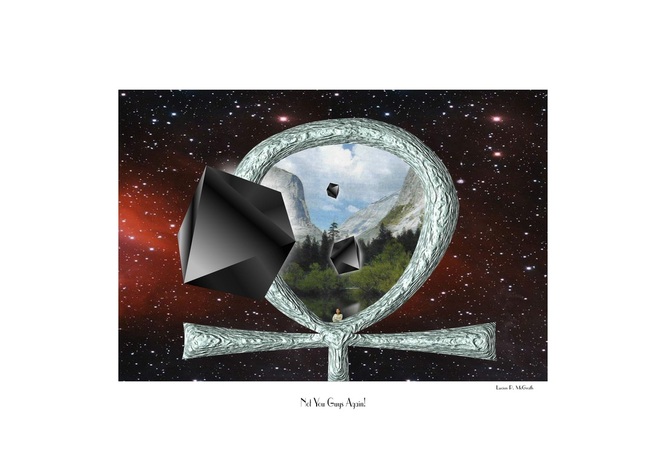
Picture kindly shared by artist Peter McGrath
And here's another startling fact. After researchers from the Columbia University Teachers College studied 130 human subjects; they concluded that a thickening of parts of the brain could guard against depression. The brain cortex is associated with regular meditation and other spiritual or religious practice. Researchers found that those who highly valued spirituality showed thicker portions of brain cortices that may protect against depression—particularly those whose genetics predisposed them to depression.

This is so true in my case. Despite my lack of mobility, I'm optimistic and positive. I enjoy each day and constantly give thanks to whoever listens. For one reason or another, maybe fete or luck, a good man loves and cares for me, I have the means to write, and enough money to survive in a caring society.

However, my husband and I differ in our outlook and spirituality. While I believe in goodness, he sees the bad side of every situation. He doesn't sleep well and he worries constantly. While he would like to be convinced of an afterlife, he's not willing to make that jump between the things he sees and his greatest wish.

8 Comments

A terrifying rodent or a harmless creature?

3/28/2014

12 Comments

 
Picturewww.bbc.com
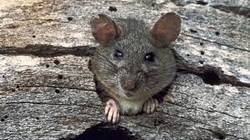
The appearance of a massive rat, dubbed Ratzilla, in a Stockholm family's kitchen has made headlines in Sweden. Measuring 40cm (nearly 16in) plus tail, the creature terrified the family three weeks ago.

The rat entered the kitchen via a ventilation pipe, having gnawed its way through cement and wood. Even the family cat had refused to enter the kitchen while the giant rat was in residence.

After devouring food leftovers under the sink, the creature feasted on a Swedish smorgasbord of waste in the bin. Pest controllers finally killed the intruder using an oversized trap.

After taking a few souvenir photos, the family contacted a website to see if they were interested in the story. The country's news reported on the size of the rat. From there, the story escalated.


Picturewww.dailymail.co.uk
Humans and rats have been living together for centuries. Our homes make ideal shelters for the furry creatures too. Considered by many to be a pest and by some as a pet, they have survived through the years by their wits and genetic make up. Who could forget Michael Jackson's song 'Ben'?

There are two species of rat that live closer to humans than any other species.

One is the black rat, originating in India. The small black rat prefers to live in tropical areas. This species came to England and America by stowing away on ships. The black rat prefers living above ground in trees or the top levels of buildings, earning it the nicknames of the roof rat and the tree rat.

The second more commonly seen species is the Norway rat, or brown rat as some call it. Originating in Russia, the Norway rat is also the species most commonly bred as pets and also grown for snake food. It is larger and better at adapting to different environments than the black rat. The Norway rat entered America around 1775 in the same manner as the Black rat, onboard ships.

Many people assume all rats are or were the carriers of the black plague which killed thousands of people. However, the fleas on the black rat carried the disease. People during that time lived in what we would nowadays consider unsanitary conditions. The opportunist rat invaded these areas for free board and lodgings, thus bringing with it the diseased flea.


Picturewww.bbc.com
Rats invaded our larder cupboard a few years ago. We live in one of a strip of cottages bordered by horse fields. The destructive creatures entered through the ventilation duct between the outer and inner cavity of the kitchen wall. My husband and I found the experience quite terrifying. We never knew if one would be waiting to scurry out when we opened the larder door. The local council sent an extermination specialist around and the rats went away. I hate to think of the animals dying in agony. They are only little creatures looking for something to eat. But I didn't want them to feast in my larder, and bite through all the cardboard and plastic packets and leave their droppings amongst the litter.

Some cultures even consider the rat a very special creature. The Japanese, the Hindus, and the Chinese all believe the rat is a sign of wealth and prosperity. In Deshnoke, India there is a temple in which thousands of rats are fed and taken care of. The Hindus believe these rats are reincarnations of their gods.

The human species and the rat have had a relationship throughout history. People are discovering their pet rat's great capacity to love and to learn. Even if you find the rat to be a gross disgusting creature, it is hard to not respect an animal with so much intelligence. The rat is truly a survivalist.

Love them or hate them, rats are here to stay.


12 Comments

Can we forgive police mistakes?

3/27/2014

6 Comments

 
Picturenews.asiantown.net
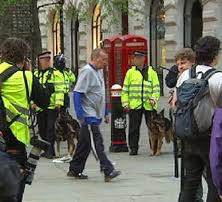
In the news today, a police officer tasered a blind grandfather after mistaking his white stick for a samurai sword.

How could he get that wrong? Perhaps he acted rashly. No one is perfect, not even police officers. It follows that in many instances, police officers will make mistakes while they are working.

It seems the UK officer had been on the lookout for a skinhead in jeans in his twenties who had been stalking the town of Chorley, Lancs, armed with a sword. The officer blasted the sixty-four year old man with a 50,000-volt stun gun when he walked to his local pub. Dah! That makes the error twice as bad.

Now a disciplinary hearing has ordered the Pc to apologize to the victim, but ruled he will not be sacked.

The furious victim slammed Lancashire Police for offering no justice. He said: “If I had a pacemaker I would be dead. I have lost faith in the police.”


Picturewww.channel4.com
We are all human. Of course we cannot expect a police officer to be perfect. However, we do expect a certain level of consistency and professionalism from those who've chosen to serve and protect in our society. 

In another report released today, thousands of people are at risk of harm or even murder because of widespread police failure in England and Wales to tackle domestic abuse.

This is a shocking problem. Women are in a difficult position when their husband or partner treats them with violence.

One million calls a year are made to the UK police relating to domestic abuse and almost 58,000 victims were at risk of serious harm or murder. The report said three women a fortnight were being killed by a partner or former partner and a third of all assaults recorded by the police related to domestic violence.

I had no idea the figure was so high. The police tread a narrow path in dealing with this type of crime. Sometimes, the woman will change her mind and return to her partner. His hold over her is strong.

The justice system works for me. Maybe that's because I've never had a serious problem. An aborted break-in is the only thing I've needed the police for. I found them helpful, efficient and polite.

What is your opinion of the way policing works?


6 Comments

A dog's listening ability helps school children.

3/26/2014

10 Comments

 
Picturewww.theguardian.com
Teachers at a UK school had the bright idea to bring a dog to school, thinking the children might prefer to read to pets than to adults. Reading levels have rocketed since the kids started reading stories in the classroom to furry friend Flossie.

School bosses say Flossie relaxes the kids because she is attentive but doesn’t interrupt to correct mistakes. The deputy head at Hyland School, Chelmsford, Essex, has noticed how they love reading to the dog. 
Because the children are relaxed, they read more fluently.


Picturewww.dog-paw-print.com
Ten-month-old Flossie is also helping the kids with road safety on walks, and even foreign languages as they teach her commands in French and Spanish.


Dogs are the most useful animal to humans. For as long as anyone can remember dogs have been bred and used to help us in so many ways. One of their best attributes is their unconditional love.


Picturewww.huffingtonpost.com
The last dog my husband and I took into our home was a very large retired greyhound. What a wonderful companion. Our tiny flat became the gentle giant's kennel. We miss him sorely, and although many people have recommended a replacement, we wouldn't be able to care for him.

A dog can fetch and carry, hear or see for its companion, alert someone if its master is ill or dying, and provide companionship to lonely people in every society. Some dogs visit hospital wards, which cheers the patients. 
Maybe it would be a better world if we all adopted a dog's attitude.


10 Comments

Cancer existed as far back as ancient Egypt.

3/25/2014

8 Comments

 
Pictureall-about-egypt.com
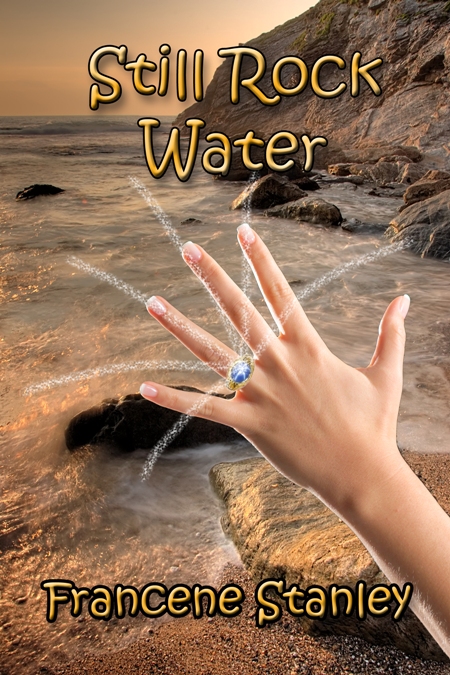
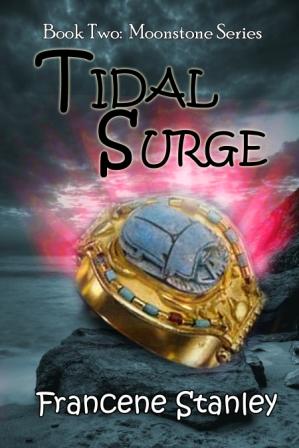
I pounced on two news stories about ancient Egypt this morning. The subject fascinates me and I've included references to ancient Egypt in all my books in the genres of present day fantasy and dystopian adventure. Past, present and future are linked together by a star moonstone ring.

Researchers have discovered the earliest confirmed case of cancer in a young man who lived in ancient Egypt at the Amara West site in northern Sudan. A young English woman with the help of a curator at the British Museum unearthed the remains, which were riddled with holes. The diseased skeleton dates back to around 1,200 BC. This places the disease 2,000 years before the previously confirmed instance.

Cancer is thought of as a modern-day disease, caused by smoking, unhealthy lifestyles, stress and air pollution. However, the discovery suggests the disease was prevalent thousands of years ago.

There have been some previous hints of the disease in archaeological records. Other finds from around 4,000 years back revealed similar signs. But without a full skeleton to show the spread of the disease, experts couldn't confirm cancer caused the damage on the specimens.

At the present, one in five men and one in six women will develop cancer before the age of 75 globally. The sad fact is that one in eight men, and one in twelve women, will die from the disease. Due to our increased lifespan, more and more people will develop cancer as the world's population grows. It looks as if the cause is now in doubt.


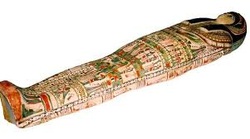
Picturewww.ancient-egypt-book.com
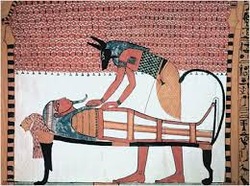
In the other news item: the exhibition Ancient Lives: New Discoveries, will open at the British Museum on May 22. Hospital CAT scans on eight mummies reveal that despite the separation of centuries, the Egyptians suffered from the same health issues that plague us today, including high cholesterol, fatty diets and bad toothache.

At the new exhibition, the public will be able to glimpse the most detailed picture yet of our Egyptian forbears. The eight mummies came from all social sectors—royalty to ordinary people living along the Nile.

They also lived during different eras. The oldest shown is more than 5,500 years old and dates back to 3,500 BC, while the most recent lived around 1,300 years ago.

Scans revealed a wide variety of lifestyles and disease. In two of the examples, an excess of cholesterol, calcium and tissue in their leg bones suggests a rich diet high in fat, although it can be genetic. Many experienced poor dental health and had multiple abscesses, which would have led to death if untreated. Analysis of digestive remains suggested the Egyptians enjoyed a wide diet that included fish, a little meat, beer, bread and sugar-rich fruits, such as dates.


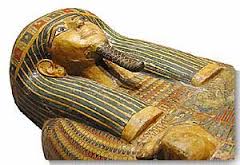
Picturecartonage - www.bbc.co.uk
One mummy of a well preserved woman, aged between 20 and 35, had been buried wrapped in a cloth made from linen and wool. Her remains had mummified in the dry heat. Archaeologists could almost make out a tattoo on the inner thigh of her right leg with the naked eye. Infra-red technology helped define it more clearly. The tattoo has been deciphered by curators and spells out in ancient Greek – M-I-X-A-H-A, or Michael. The tattooed woman, who died in about AD 700, lived in a Christian community on the banks of the Nile.

And here's a little excerpt from the beginning of my futuristic novel Long Doom Calling, the forth book in the Higher Ground series co-written with Edith Parzefall.

When they reached Long Doom, how could they find the ring her mother had seen in a dream vision, a ring meant to help her prevent war raging through Britland? She couldn't imagine why she, a seventeen-year-old healer and storyteller, had been selected to accomplish such an enormous task. The mural in Saint Eyes depicted her wearing a moonstone ring that changed the world around her, leaving no room for doubt.

This one is taken after Cerridwen places the star moonstone ring on her finger for the first time. She's in for a surprise because the ring transports her into a vision.

Cerridwen couldn't see her friends. Somehow, she was flying. Or dreaming.

Frightened, she tried to reach out for reassurance. Nothing. Her senses spun and the ground no longer supported her body.

White fluffy mist, no friends, no Trevly to guide her.

She reached out but didn't touch anything solid. Curious, she looked down then panicked at the void underneath. Calm down. Just a waking dream sent to her from the ring.

Controlling her emotions, she focused through the blur below.

At least fifty men rambled along a wide path. The end of the line stretched around a bend.

Cerridwen dropped closer with no sensation of the movement.

The fellows held weapons across their chests. Knives jutted from their belts. She'd seen them before. Yes. Lord Oxenford's sold yus. Mounted men rode in comfort behind the first stragglers. One man carried his head and shoulders with authority.

Cerridwen suspected who he was, but there could be many other men with power. She hovered and waited. With a sudden plummet, she straddled a horse and masculine hands held leather straps in front of her.

'Reins.' Where did that word come from? 'Boring.' Another word filled her mind, the thoughts of the man who plodded along on the horse beneath her.

"Speed it up," he shouted to the men ahead.

She felt his mouth move as the command came from his lips. She must have become one with him. How strange. Why was she here? In the absence of any logical reason, she decided to hold herself ready to help if possible.

Everyone dies. That's certain. I find it fascinating to learn about past lives. From what's been discovered, maybe it's time to rethink our theory about the cause of cancer.
8 Comments

How do you cope with pain?

3/24/2014

8 Comments

 
Picturewww.americanspinecenter.biz
With over 1/5 of the population suffering from acute or chronic pain, the need for relief is ever present. Everyone has experienced agony at some time in their lives. I learned to conquer my pain mentally at the age of 35, when my malformed hips made themselves known.

Sensitivity to pain is complex, with wide individual variation. Barring operations or emergencies, many of us would rather not use medicine to control everyday pain.

UK scientists have discovered that pain sensitivity is controlled by a genetic dimmer switch, which can be re-set. The study could lead to new painkillers or lifestyle interventions, they report in Nature Communications.

Researchers at King's College, London found that twins sharing 100% of genes have different pain thresholds, which can potentially be altered. This means any difference between identical twins must be due to their environment or changes affecting the function of their genes.

To identify levels of sensitivity to pain, 25 pairs of identical twins were tested using a heat probe placed on the arm. Participants were asked to press a button when the heat became painful, which allowed the researchers to determine their pain thresholds. Chemical changes within nine genes involved in pain sensitivity were different in one twin but not in the identical sibling. The chemical changes act like a thermostat to set an individual's pain sensitivity.


Picturehealthcarechiropractic.com


It's no use complaining or decrying your lot. There are many pain coping techniques. 

To prepare, it is important to learn how to use focus and deep breathing to relax the body. This takes practice, especially when you are in pain, but it is definitely worth it help you release muscle tension throughout the body and start to remove your attention from the pain.


Alter your focus

This is a favorite technique to demonstrate how the mind can alter sensations in the body. Focus your attention on any specific non-painful part of the body. Imagine your hand warming up for instance. This will take the mind away from focusing on the real source of your pain.

Dissociate from pain

As the name implies, this chronic pain technique involves mentally separating the painful body part from the rest of the body. Perhaps see the body and mind as separate. For example, imagine your painful area on a chair across the room and tell it to stay there, far away from your mind.

Split the sensors

This technique involves dividing the sensation (pain, burning, pins and needles) into separate parts. For example, if your pain feels hot, focus just on the sensation of the heat and not on the hurting.

Lose sensation

This involves imagining an injection of numbing anesthetic into the painful area. Then imagine a cooling ice pack placed over the area of pain.

Reduce sensitivity

Building on the mental anesthesia idea, this technique involves imagining your brain producing massive amount of endorphins, the natural pain relieving substance of the body, and sending them to the painful parts of your body.

Switch feelings

In your mind, produce altered sensations, such as heat, cold, anesthetic, in a non-painful hand, and then place it on the painful area. Envision transferring this altered sensation into the painful area.

Sequence your age

Use your mind’s eye to project yourself forward or backward in time to when you are pain-free or experiencing much less pain. Then instruct yourself to act as if this image were true.

Use an emblem

Envision a symbol that represents your chronic pain. Maybe use a loud, irritating noise or a bright light bulb. Gradually reduce the irritating qualities of this symbol which will lessen the pain.

Positive similes

Focus your attention on a pleasant place where you feel carefree, safe and relaxed.

Count

Silent counting is a good way to deal with painful episodes. Think of the many things you could count: breaths, shapes in the wallpaper, floor tiles, or simply conjure up mental images and count them.

Move your pain

Move chronic pain from one area of your body to another, where the pain is easier to cope with. For example, mentally move your pain along the bone to a part that doesn't hurt.

Picture
www.quotestree
At birth, my hips were malformed, although I didn't know until x-rays revealed the problem in mid-life. The specialists considered me too young to have hip replacements, and advised me to wait 15 years. And so I learned to cope with my increasing, incessant pain.

The method I used: meditation, which combined many of the techniques above. Over the years, I learned to accept the pain as part of me. I could concentrate on a spot slightly to the left of my forehead to dim the pain in times of stress. I didn't resort to medication, which did no good anyway. When the pain at night finally became overbearing, I went to the doctor. An ulcer had eaten away part of my bone. That's the strength of meditation.

I'm sure you must have a way of coping with your pain. I'd love to hear about it in the comments section.

8 Comments

The changing role of marriage.

3/23/2014

3 Comments

 
Picturewww.telegraph.co.uk
Wikipedia states that 'modern marriage, matrimony, or wedlock is a socially or ritually recognized union or legal contract between spouses that establishes rights and obligations'. Ideally, a man or woman chooses their partner for love with the firm belief of equal standing relating to body, mind and spirit. However, love can overrule the senses, whereupon the marriage will fail, ending in divorce.

Does society need this legal contract? Many people think so. Some want to provide a stable background for their children, while others want to bind their partner to them physically and legally. Abused women find the bond particularly difficult to break. Same sex couples fight for the right to have equal status to a bond between man and woman.


Picture
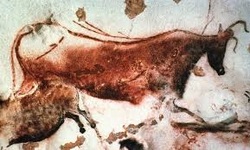
How did it all begin? Did cave man need a formal tie, or were they united in common need? The man hunted while the woman raised the children by the cooking fire. Each must have relied on the other.

For Britain's early tribal groups and the Anglo-Saxons, marriage was all about relationships. Marriage was a strategic tool to set up diplomatic and barter ties. They established peaceful relationships, trading bonds, and mutual obligations with others by means of marriage.

This all changed with the separation of wealth. Parents were no longer content to marry their children off to someone in a neighboring group, but rather to a figure as wealthy and powerful as themselves. At that point, marriage shifted to intrigue and betrayal. Note: the offspring had no say in the choice.


Pictureen.wikipedia.org
During the 11th Century, marriage secured an economic or political advantage. The bride bowed to her father's wishes and the marriage arrangements were made on her behalf.

However, the Benedictine monk Gratian wanted the agreement of the couple more than their family's approval. Gratian introduced consent into formalized marriage in 1140 with his canon law textbook, Decretum Gratiani. No longer was a bride or groom's presence at a ceremony enough in the 12th Century.


Pictureen.wikipedia.org
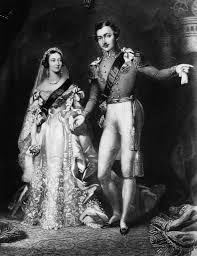
Roaming bards sang of love during medieval times and Shakespeare's Romeo and Juliet acted it out on stage, but it wasn't until the Victorian era that it became accepted as a foundation for marriage.  Because of Queen Victoria's declarations of love for her consort, Prince Albert, her subjects followed suit. The Victorians believed marriage should actually be based on love or companionship.

I've fallen in love with and married two men in my life. Both marriages have lasted over 25 years. It's the equivalent of having two separate lives. To me, marriage shows a commitment to love, care for, and support my husband in mutual understanding. Neither partner should take more than they give, and neither should harm the other mentally or physically.

Many women nowadays are choosing to remain single. They raise their children alone and can live the lifestyle they please. However, they differ from cave-woman by lacking a man who will hunt for their food. They earn their own money to pay for their upkeep.

The way I see it, marriage represents the perfect opportunity to achieve balance. Man and woman; strong and soft; action and thought; yin and yang.

I'd love to hear your opinion about the relevance of marriage.


3 Comments

Of sea salt, dark chocolate, and abiding sense of smell.

3/22/2014

4 Comments

 
Pictureblogs.telegraph.co.uk
The big surprise is that sea salt and the fine-grained table salt have the same basic nutritional value.

News from the NY-Presbyterian/Weill Cornell Medical Center reveals foods declaring that they're made sea salt may be appealing, but they're of no added value. Sea salts are coarser and grainier than table salt because the former undergo less processing than the latter. Sea salts are made from evaporated sea water. Table salt, on the other hand, usually comes from underground salt mines and is processed into finer crystals. Although less processing in whole grains versus refined grains gives added health benefits, this doesn't apply to salt. According to the experts, we all need a small amount of salt in our diet. Don't over-shake the condiment though. As applies to most of life:  everything in moderation.


Picturewww.theguardian.com
Now—on to the most appealing topic—chocolate. Dark chocolate in particular.

According to research, gut bacteria is the secret to dark chocolate's health benefits to the heart. This linked with other indigestible foods like prebiotics found in raw garlic and whole wheat flour are heavily favored by gut bacteria. They grow, outcompete any undesirable microbes in the gut, and produce compounds that are anti-inflammatory.

Apparently, good stomach bacteria break down chocolate and turn it into heart healthy anti-inflammatory compounds, which experts say could reduce your long-term risk of stroke, according to research presented at the National Meeting & Exposition of the American Chemical Society.

In moderation chocolate can also reduce the risk of atherosclerosis, or the thickening and hardening of the arteries.

Picturewww.telegraph.co.uk
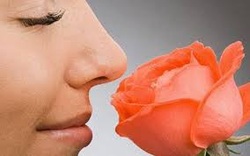
Apart from chocolate, the human nose can detect one trillion different smells.


I noted months ago the ten smells that stand out, for research on my novel writing. These are:


Fragrant

Woody/resinous

Chemical

Minty/peppermint

Fruity/non citrus

Sweet

Popcorn

Lemon

Pungent

Decayed.

New research from Rockefeller University has shown our sense of smell far outweighs human sight and hearing. Our sense of smell can detect millions more odors than previously estimated. Researchers have estimated that the human eye and its mere three receptors can distinguish several million colors and that the ear can discriminate 340,000 sounds.

Rose or lavender scent can give us pleasant dreams and a whiff of peppermint helps pupils study. Yet bad odor can lead to depression. Just think how a wisp of smoke leads to alarm about something burning or a quick sniff alerts us that food is going off. We can tell if our loved one is ill by the odor coming off their body, and we can avoid areas of contamination just by using our nose.

Smells produce physiological changes in our bodies. The scent-processing centre of the brain is linked to the limbic system, which controls the release of hormones and emotions. As a result, odors can raise our heartbeat, induce changes in blood pressure, trigger the sensation of hunger and cause the release of hormones that affect our mood.

I must have smelled something bad in the garden yesterday. I snapped at my poor husband all evening, despite him telling me how much he loved me and how he only produces wonderful meals with me in mind. I know full well he wouldn't bother with all the vegetables and accompaniments if he cooked for himself.

Perhaps I should keep a pomander handy in future. I could take a quick sniff every time I felt peeved.


4 Comments
<<Previous

    Francene Stanley:
    Author
    I use news items in my fantasy novels.

    Born in Australia, I moved to Britain half way through my long life. If you like my writing, why not consider purchasing one of my books on the sidebar below?
    I blogged 260 days last year. Link.

    Picture
    Picture
    Picture
    Picture
    Picture
    Picture
    Picture

    Archives

    January 2015
    December 2014
    November 2014
    October 2014
    September 2014
    August 2014
    July 2014
    June 2014
    May 2014
    April 2014
    March 2014
    February 2014
    January 2014
    December 2013

    Categories

    All
    Animals
    Birds
    Earth
    Environment
    Experience
    News
    Novel
    People
    Society
    Writing

    RSS Feed

    RSS Feed

Powered by Create your own unique website with customizable templates.