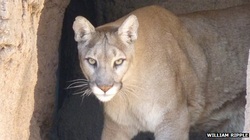
 puma - www.bbc.co.uk
 As many as 3/4 of the world's big carnivores are falling in numbers according to the latest news. In the developed world, most carnivorous animals have already succumbed to extinction, and 31 big meat eaters are under increasing pressure in the Amazon, South East Asia, southern and East Africa. The beautiful puma, known as the cougar in North America, has already been declared extinct in the eastern US.
A new data study published in the journal Science shows the majority of lions, wolves and bears now occupy less than half their former ranges.
Of course, human persecution is largely to blame. The loss of the animal's habitat and prey has created global hotspots of decline. But rather than turning a blind eye to the animal's plight, we should consider the implications. The loss of carnivores could be extremely damaging for ecosystems the world over.
A new data study published in the journal Science shows the majority of lions, wolves and bears now occupy less than half their former ranges.
Of course, human persecution is largely to blame. The loss of the animal's habitat and prey has created global hotspots of decline. But rather than turning a blind eye to the animal's plight, we should consider the implications. The loss of carnivores could be extremely damaging for ecosystems the world over.
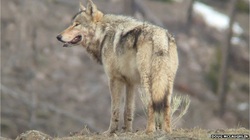 graywolf - bbc.co.uk
 Fewer wolves and cougars in the US Yellowstone National Park resulted in an increase in animals that browse such as elk and deer. However, the researchers found that the rise of these browsers is bad for vegetation and disrupts the lives of birds and small mammals, leading to a cascade of damaging impacts.
The rise of olive baboons in Africa has been linked to the decline of lions and leopards. But the baboons now pose a bigger threat to farm crops and livestock than elephants.
The threatened animals have an intrinsic right to exist. In the miraculous balance of nature, they provide an economic and ecological service to the world. When large carnivores are re-introduced, such as with wolves in Yellowstone, the ecosystems tend to respond rapidly.
The rise of olive baboons in Africa has been linked to the decline of lions and leopards. But the baboons now pose a bigger threat to farm crops and livestock than elephants.
The threatened animals have an intrinsic right to exist. In the miraculous balance of nature, they provide an economic and ecological service to the world. When large carnivores are re-introduced, such as with wolves in Yellowstone, the ecosystems tend to respond rapidly.
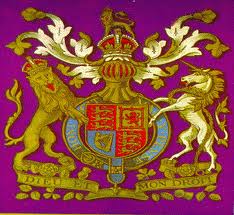
Big cats are such magnificent beasts. They're featured wherever people want to show strength and power. I've often wondered why the lion is part of the British emblem along with the mythical unicorn.
According to an Oxford University study of fossilized remains, 'Super-sized lions' roamed the British Isles 13,000 years ago. But Mesolithic Britons wiped out the lion, along with the elephant, and the hippopotamus.
In medieval times, the Barbary Lion (Panthera leo leo) was a prized possession of British lords. A few large, shaggy individuals were imported from northern Africa to the menagerie of the Tower of London. Barbary Lion males had especially large manes, and they were among the biggest lions of the historical era, weighing as much as 500 pounds.
It looks as if mankind has been killing whole species on earth since the earliest times. Humans need to work out a way to live in peaceful co-existence with larger carnivorous species for the sake of ecosystems throughout the world. However, I live in the safety of the English countryside. No lions threaten my survival, no tigers roam around my village, taking human lives. It's the people who live close to predators who face the daily threat. In their position, I wouldn't want the animals killed. I'd suggest removing them to a protected, possibly fenced in, area.
According to an Oxford University study of fossilized remains, 'Super-sized lions' roamed the British Isles 13,000 years ago. But Mesolithic Britons wiped out the lion, along with the elephant, and the hippopotamus.
In medieval times, the Barbary Lion (Panthera leo leo) was a prized possession of British lords. A few large, shaggy individuals were imported from northern Africa to the menagerie of the Tower of London. Barbary Lion males had especially large manes, and they were among the biggest lions of the historical era, weighing as much as 500 pounds.
It looks as if mankind has been killing whole species on earth since the earliest times. Humans need to work out a way to live in peaceful co-existence with larger carnivorous species for the sake of ecosystems throughout the world. However, I live in the safety of the English countryside. No lions threaten my survival, no tigers roam around my village, taking human lives. It's the people who live close to predators who face the daily threat. In their position, I wouldn't want the animals killed. I'd suggest removing them to a protected, possibly fenced in, area.







 RSS Feed

